
Indian Business in the United States of America

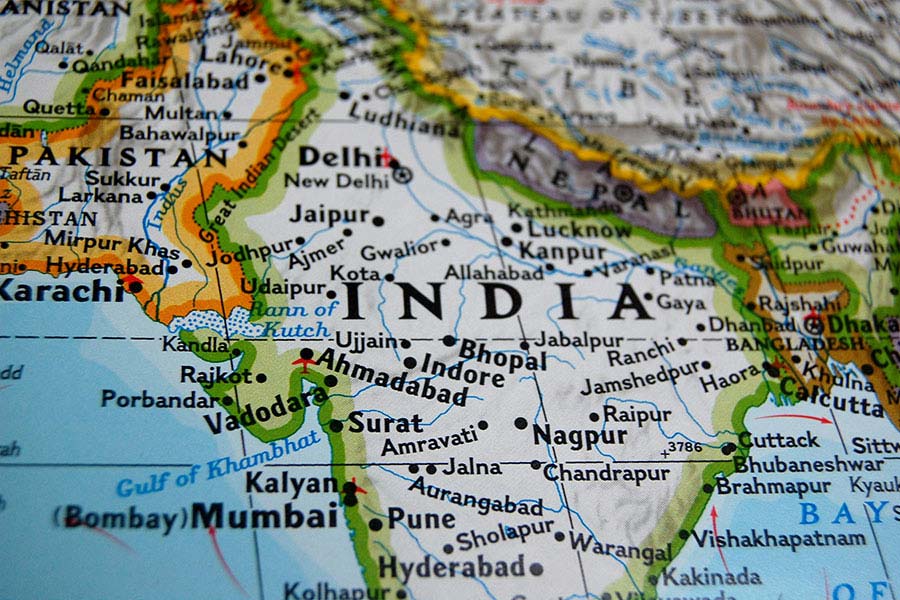
India’s rapidly expanding economy has created a new generation of business owners who are ready to pursue opportunities beyond their home country. Entrepreneurs in India are chomping at the bit to break into U.S. markets, and here at Harvard Business Services, Inc., we are setting up more companies on a daily basis for clients based in India than ever before. As of today, clients from India comprise roughly 4% of our business, and this percentage is expected to surge even higher in the near future.
However, expanding into the United States requires more than a promising idea. Indian entrepreneurs must understand how the American business environment works and what obstacles they may encounter.
Economic Growth in India
India’s expanding population and increasingly active startup community have helped create a new generation of entrepreneurs. The country surpassed China as the world’s most populous nation in 2023, and the United Nations Population Fund estimated India’s population at approximately 1.46 billion in 2025. That gives Indian businesses access to an enormous domestic market and workforce.
According to the World Bank, India remained the fastest-growing major economy during the 2024–2025 fiscal year, recording economic growth of approximately 6.5%. As more Indian startups mature, their founders are increasingly looking beyond the domestic market. For many, forming a U.S. company offers an opportunity to reach American customers, attract investment, and build a more visible global presence.
Get answers for all your business needs
Not sure what’s right for your company? Speak directly with our specialists and get clarity before you make your next move.
Talk to an expert
Challenges for Indian Entrepreneurs
Although forming a business in the United States can create plenty of valuable opportunities, Indian entrepreneurs must navigate a legal and financial system that may differ significantly from the one they know at home. The United States does not have a single nationwide formation process. Businesses are formed at the state level, while taxes, employment rules, and other obligations may arise at the federal, state, and local levels. Some of the most common challenges include:
- Opening a U.S. Bank Account: Banks have their own identity-verification and documentation requirements. Some require the owner to appear at a branch in person, while others may accept remote applications.
- U.S. Tax Obligations: An Indian-owned company may have federal, state, and local tax responsibilities. The company’s structure, ownership, and activities can affect how income is reported and taxed. Cross-border owners may also face withholding and information-reporting requirements.
- Transferring Money Between India and the United States: Capital contributions, service payments, and loans must be properly documented. Entrepreneurs may need to consider currency-conversion costs and foreign-exchange rules.
- Immigration and Visa Requirements: Owning a U.S. company does not automatically give an Indian entrepreneur permission to live or work in the United States. Founders who plan to manage the company from within the country must apply for the appropriate work authorization.
- Protecting Intellectual Property: Indian trademark or patent rights do not automatically provide protection in the United States. Businesses may need separate U.S. registrations to protect their brands and inventions.
Forming a U.S. Business as an Indian Entrepreneur
Forming a business in the United States can be relatively straightforward, but Indian entrepreneurs still need to make a few important decisions before filing.
- Choosing a Business Structure: Indian entrepreneurs must decide whether an LLC, C Corporation, or another business structure best fits their goals. The choice can affect ownership, liability, fundraising, management, and taxation. S Corporations are generally not available to nonresident alien shareholders.
- Selecting a Formation State: A company does not necessarily need to form in the state where its owner lives. However, when choosing a state, consider filing costs, taxes, business laws, investor expectations, and where the company will actually operate. Delaware is often a great place to start.
- Appointing a Registered Agent: Every LLC or corporation must maintain a Registered Agent with a physical address in its formation state. The agent receives lawsuits and official state correspondence for the business. An entrepreneur operating from India will generally need to hire a professional Registered Agent service.
- Filing the Formation Documents: The company must submit the appropriate formation document to the state, such as a Certificate of Formation for an LLC or a Certificate of Incorporation for a corporation.
FAQs
Can Indians do business in the U.S.A.?
Yes. Indian citizens and companies can generally own an LLC or corporation in the United States without being U.S. citizens or residents. However, owning a company does not automatically provide a visa or permission to work in the country. Separate immigration authorization may be required.
As an Indian entrepreneur, should I form an LLC or a corporation?
The best structure often depends on the business’s ownership and fundraising needs. An LLC typically provides flexible management and taxation, while a C Corporation may be better suited for raising outside investment or issuing stock.
What is the best state for an Indian entrepreneur to form a business?
Consider where the company will operate, state taxes, filing fees, business laws, and investor expectations. Delaware is a common choice for companies seeking established business laws, but businesses operating elsewhere may also need to register in those states.
Form a U.S. Business with Harvard Business Services, Inc.
Forming a corporation or LLC in the United States is easy with Harvard Business Services, Inc. If you are ready to form a company, start by comparing our international formation packages before getting started.
While Harvard Business Services, Inc. cannot assist our international clients with opening bank accounts or merchant accounts, we can help provide many of the necessary tools and documentation. Many banks have common requirements, such as the approved Certificate of Formation or Certificate of Incorporation, Certificate of Good Standing, Certified Copy, and Mail Forwarding Address. Contact us to learn more.
*Disclaimer*: Harvard Business Services, Inc. is neither a law firm nor an accounting firm and, even in cases where the author is an attorney, or a tax professional, nothing in this article constitutes legal or tax advice. This article provides general commentary on, and analysis of, the subject addressed. We strongly advise that you consult an attorney or tax professional to receive legal or tax guidance tailored to your specific circumstances. Any action taken or not taken based on this article is at your own risk. If an article cites or provides a link to third-party sources or websites, Harvard Business Services, Inc. is not responsible for and makes no representations regarding such source’s content or accuracy. Opinions expressed in this article do not necessarily reflect those of Harvard Business Services, Inc.
More By Andrew Millman
![]()
Email this article to a friend
There are 2 comments left for Indian Business in the United States of America
Douglas R. Inglis said: Tuesday, April 21, 2020Are there Indian companies that are interested in receiving product development ideas from American citizens? If so, how would a citizen contact such companies?
HBS Staff replied: Wednesday, April 22, 2020Douglas, unfortunately, we can't offer any helpful information on where to find such companies.
David Roberts said: Monday, March 12, 2018Nice one. Keep it Up. Thanks for sharing
HBS Staff replied: Tuesday, March 13, 2018Thanks for reading our blog!